MLB Live Betting: In-Play Strategy for UK Punters
 Available in US
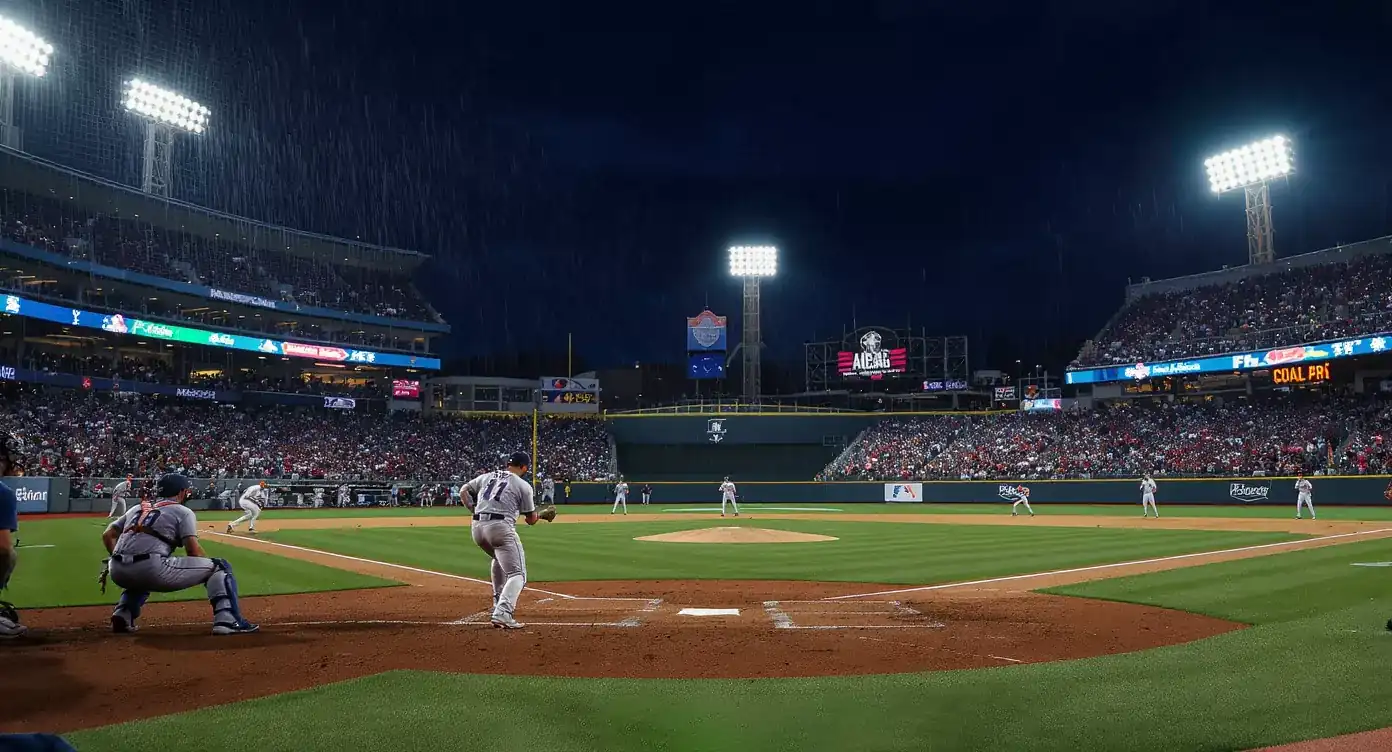
The fastest line move I ever caught live was an Astros moneyline that drifted from -180 to +110 over the course of fifteen minutes in a May 2023 game. Verlander, on the road, gave up a four-run third. I’d watched the inning unfold and grabbed the +110 at the second mound visit, two pitches before Joe Espada lifted his starter. Astros came back to win 7-6. That bet remains my mental shorthand for what mlb live betting actually rewards: not faster reflexes, not better algorithms, but a clearer view of what just happened and what it means for the next thirty pitches.
Live MLB is structurally different from pre-game MLB. The game flows in discrete chunks – a half-inning, a plate appearance, a pitch – and each chunk gives you a fresh information snapshot. The line redraws itself around each piece of information, sometimes overshooting, sometimes underreacting. The patient bettor sits and waits for the line to redraw badly. The casual UK punter trying to chase a recent run with a live moneyline at -300 is the customer the books love. The discipline is to identify when a live price has overcorrected and to commit before the market adjusts back.
Why Live MLB Doesn’t Behave Like Live Football
I once explained MLB live betting to a friend who only bet Premier League. His instinct was to read it like football – momentum swings, pressure that builds into goals, the way a 1-0 score around 70 minutes feels different than a 1-0 score at 30 minutes. None of that applies to baseball, and getting that wrong is the most expensive habit a UK live bettor can bring across from football.
MLB is not a continuous-flow sport. The game happens in distinct units – pitches, plate appearances, innings – and the state resets between each unit in ways football’s clock never does. A pitcher can lose his command on one pitch and recover on the next. A batter can take a hopeless 0-2 count and work out a six-pitch walk that changes the leverage of the inning. None of these moves the way “we’re under pressure for 20 minutes” moves in football. The discrete-event structure is the whole game.
This matters for live betting because every priced market reflects a specific moment in time, not a trend. The line on a top-of-the-fifth moneyline at -165 is a probability snapshot, not a momentum read. If the score is 4-2 with the visiting team up but the home team’s two best hitters due in the bottom of the inning, the snapshot might be priced wrong – the model can lag the meaningful event of “Schwarber and Harper coming up.” Football’s flow forces lines to update on time-on-attack. Baseball’s structure forces lines to update on probability shifts that can happen in five seconds.
The MLB.TV streaming numbers tell you something about the data environment live bettors operate in. The service logged 19.39 billion minutes of viewing in 2025, up 34% year over year. That kind of volume creates better feeds, faster scoreboards, and more granular pitch-by-pitch data available to public bettors. The information asymmetry between sharps and squares has narrowed because the underlying feeds have democratised. The edge has shifted from “knowing what happened” to “knowing what it means.”
Pre-Game Edge Becomes Live Edge
The most reliable live MLB bets I make are extensions of pre-game positions. If my model said the Padres should be -135 favourites and the line opened at -115, that 20-cent gap doesn’t disappear when the game starts. It usually widens. The opening innings give the market opportunities to react to small early events – a leadoff walk, a hit by pitch, a defensive error – and overprice the swing. If I’d liked the Padres at -115, I’ll often like them better at +120 after a first-inning sacrifice fly puts them down 1-0.
The pattern repeats often enough to track. A favourite that gives up a first-inning run sees its line move from -135 to roughly -105 in most cases – a 30-cent swing on a single run with eight innings still to play. The market overreacts to the leverage of being behind without proper weight to the seven and a half innings remaining. The discipline is to have done the pre-game work, know that a one-run hole doesn’t change your model meaningfully, and bet the better number once the public has piled on the home team.
Kat Marquez at TikTok put it cleanly when she talked about why MLB has become a major content driver: “MLB is one of our most innovative partners. They were some of the earliest adopters of trends, they have unfettered player access, which is so crucial to building some of the personalities of these athletes.” The same access that creates content drives the social media volume – 17.8 billion views across MLB and MLB Español channels in 2025 – and that data creates the casual betting flows that live markets react to. The casual flow is reading the highlight, not the leverage. The live edge is reading the leverage.
I also watch for “second-inning slump” overreactions. A starter who gives up two runs in the second inning frequently sees his team’s line drift to -1.5 alt-runline or worse on the runline market. If the starter’s pitch count is still under 35 and his velocity hasn’t dropped, the market is selling a partial inning as a full-game read. That’s a buying opportunity if you have the discipline to wait for the third inning to develop before pulling the trigger.
Bullpen and Lineup Information You Should Track
The biggest live MLB edges come from information that becomes public between innings. Bullpen movements, lineup pinch-hitter announcements, late scratches – any of these can shift true probability faster than the market updates. The trader on the other side of your bet is also watching, but they’re managing thirty markets at once and you’re managing one.
I watch bullpen activity from the second inning onward. If the home team’s setup man is throwing in the pen during the third inning with a starter still cruising, that’s a tell – the manager doesn’t trust the starter past the fifth. The implied innings cap on the starter shifts, and the bullpen quality becomes more relevant to the rest-of-game probability. The line might not move on the bullpen activity if the cameras don’t show it; if you’re watching the game on stream you’ll see the warming arms before the live trader does.
Lineup changes due to game state matter too. A defensive substitution in the seventh inning protecting a one-run lead is information about how the manager assesses the bullpen’s ability to hold the lead. A pinch hitter sent up to face a specific reliever changes the next at-bat’s probability by more than the line will reflect. None of these are large edges individually, but stacked across a season they’re the difference between a flat live record and a profitable one.
UK Latency and Stake Caps
Live MLB betting from the UK comes with two structural disadvantages worth understanding. The first is latency. Most legal UK feeds carry a 30 to 90 second delay relative to the actual game state, depending on the broadcaster. The live betting interface receives data faster than the public feed, but it’s not always faster than the in-stadium press box that sharp money sometimes routes through. If you’re betting on what you just saw on TV, the line has often already moved by the time you click confirm.
The second is stake caps. UK books cap live MLB stakes more aggressively than they cap pre-game stakes, sometimes at £50 or £100 even on standard prices. The caps are sport-by-sport and account-by-account, and they tighten further on accounts the book has flagged as sharp. The cap is the book’s way of limiting their exposure to the latency advantage that sharp bettors potentially have. If you’re already a winning live bettor, you’ll see your stake caps shrink over time, which limits your ability to scale.
Mobile usage compounds both issues. Around 76% of UK gamblers aged 18 to 24 use mobile for their gambling activity. Live MLB betting late at night, on a small screen, with three taps required to confirm a bet, creates execution friction that costs you the very moments live markets reward. The successful UK live bettors I know have moved to desktop or tablet interfaces specifically to reduce the time between decision and bet placement.
For bettors looking at the late-night routine challenges that live MLB betting creates, the practical framework I use is laid out in detail in my piece on how to handle west coast MLB games on UK time – the time-zone overlap with US prime time creates most of the operational complexity for British bettors.
Risk Management in Live Markets
The mistake I see most often is bettors using live markets to chase losses from a pre-game position. The pre-game bet lost the moneyline, so the live bet doubles down on the runline. The live bet loses too, so a third bet goes on the over. Three losses become one large loss, and the bankroll discipline that kept you stable for six weeks evaporates in three hours.
My rule is a fixed unit cap per game across all markets. If my unit is 1% of bankroll, then a single MLB game gets no more than 1.5 units total across pre-game and live combined. The pre-game bet might be 1 unit, and the live additions get the remaining 0.5 units only if the price genuinely improves. If the pre-game bet loses, that’s the loss for that game. The next game starts fresh. The cap forces you to treat each game as an independent event, which is both mathematically correct and emotionally protective.
Cash-out offers are the live market’s other trap. The bookmaker’s cash-out price is not the fair value of your position – it’s the fair value minus a margin the book takes for offering the option. Mathematically, you should almost never accept a cash-out offer. The exceptions are when an injury or weather event creates information the book hasn’t yet processed, or when the cash-out lets you free up capital for a meaningfully better bet elsewhere. Outside those cases, taking cash-out is paying the book to remove uncertainty you should be comfortable holding.
The Live Bettor’s Mindset
Live MLB betting is sitting still through nine innings and clicking confirm twice, not chasing every pitch. The structure of the game gives you discrete moments where probability misprices itself, and the discipline is to wait for those moments rather than manufacture them. Most live bettors lose because they bet too often. The ones who win bet seldom and selectively, treating live markets as an extension of pre-game work rather than a separate hobby. The patience is the whole edge.
Is live MLB betting reliable on mobile in the UK?
Mobile interfaces work but introduce latency and execution friction that hurt live betting margins. Desktop or tablet are faster for placing bets within tight price windows. If you’re only ever betting modest stakes on slow-moving live markets, mobile is fine. If you’re trying to catch quick line moves around bullpen changes or scoring plays, the extra seconds matter.
How fast does the live MLB moneyline move after a home run?
A home run typically moves the line within 15 to 30 seconds at most UK books, sometimes faster on automated feeds. The market will swing 20 to 40 cents on a solo shot in a tight game and considerably more on a multi-run homer. By the time you’ve seen the highlight on Twitter, the line has usually fully adjusted and the value has been arbitraged away.
Should I cash out an MLB live bet at 6th inning?
Almost never, because the cash-out price embeds a margin the bookmaker takes that’s worse than the true expected value of your remaining position. Exceptions are when new information (injury, weather, lineup change) shifts the probability in a direction the book hasn’t priced yet. Otherwise, the disciplined choice is to ride out the bet.
Created by the ”mlb Betting Systems” editorial team.